Q:Sanitary Pad Manufacturing
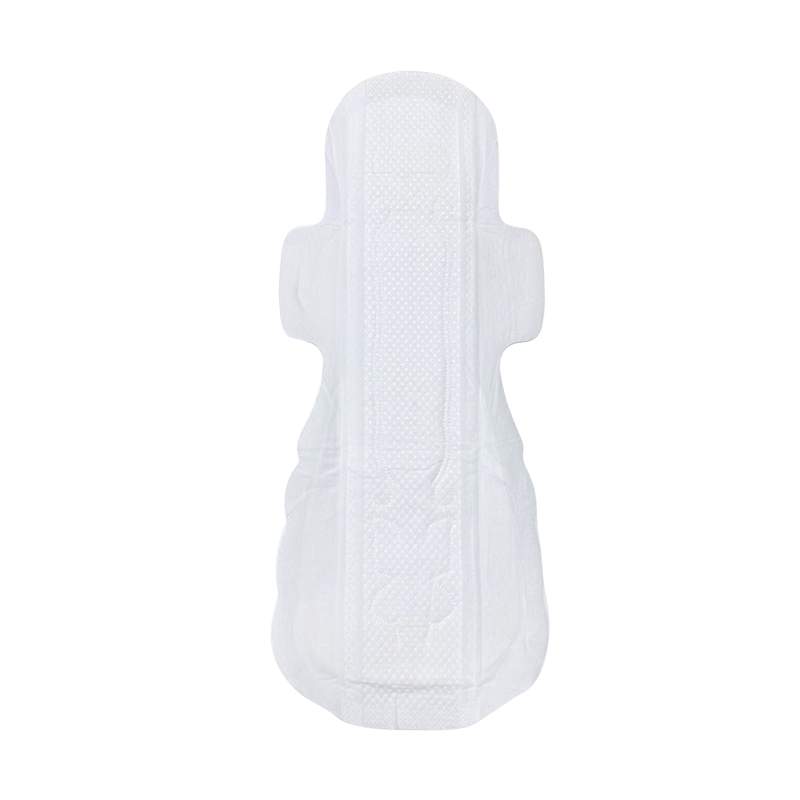
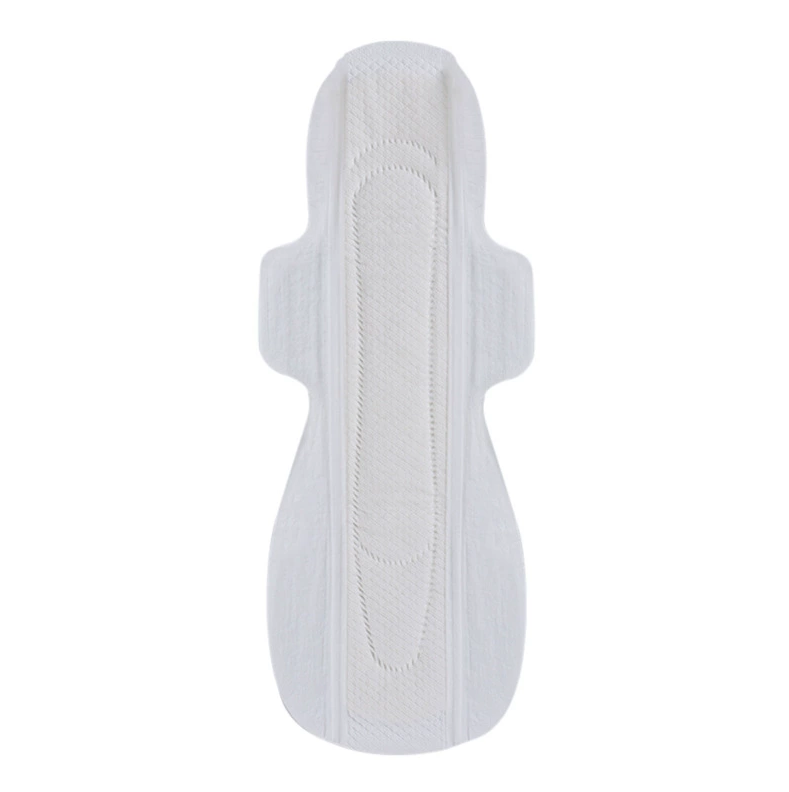
Sanitary pad manufacturing involves multiple steps, starting with raw material selection like superabsorbent polymers, cotton, and non-woven fabrics. The process includes layering, shaping, and sealing to ensure comfort and leak-proof protection. Many brands are now focusing on eco-friendly options, using biodegradable materials to reduce environmental impact. It's fascinating how technology has improved hygiene and accessibility for women worldwide!
In modern sanitary pad production, automation plays a key role. Machines handle cutting, adhesive application, and packaging with high precision. Quality control checks ensure each pad meets safety standards, free from harmful chemicals. Innovations like odor-control layers and ergonomic designs have made pads more user-friendly. This industry is vital for promoting menstrual health and breaking taboos.
Did you know that traditional sanitary pads can take centuries to decompose? That's why sustainable manufacturing is gaining traction. Companies are exploring organic cotton, bamboo fibers, and compostable wrappers. By adopting green practices, the industry can minimize waste and support a healthier planet. It's encouraging to see more awareness around this issue!
I've always wondered how sanitary pads are made so absorbent. It turns out, they use materials like SAP (superabsorbent polymer) that can hold many times their weight in liquid. The manufacturing process ensures even distribution and secure edges to prevent leaks. Learning about this has made me appreciate the engineering behind everyday products we often take for granted.
Sanitary pad manufacturing isn't just about production; it's linked to social issues like menstrual equity. In many regions, lack of access to affordable pads affects education and health. Efforts to localize manufacturing in developing countries can lower costs and increase availability. It's inspiring to see how this industry contributes to empowering women and girls globally.