Q:卫生巾生产过程
The production of sanitary napkins involves several key steps. First, raw materials like absorbent pulp, non-woven fabric, and plastic films are sourced. These are then processed through machines that layer the materials, add adhesives, and shape the pads. Quality control checks ensure each napkin meets hygiene standards before packaging.
In modern manufacturing, many brands focus on sustainability. The process includes using biodegradable materials and reducing water usage. For instance, some factories recycle water and energy during production to minimize environmental impact, making it not just about hygiene but also eco-friendliness.
Automation plays a big role in sanitary napkin production. High-speed machines can produce thousands of units per hour, with precise cutting and sealing to prevent leaks. Innovations like odor-control additives and ultra-thin designs are integrated during the assembly line for better comfort and performance.
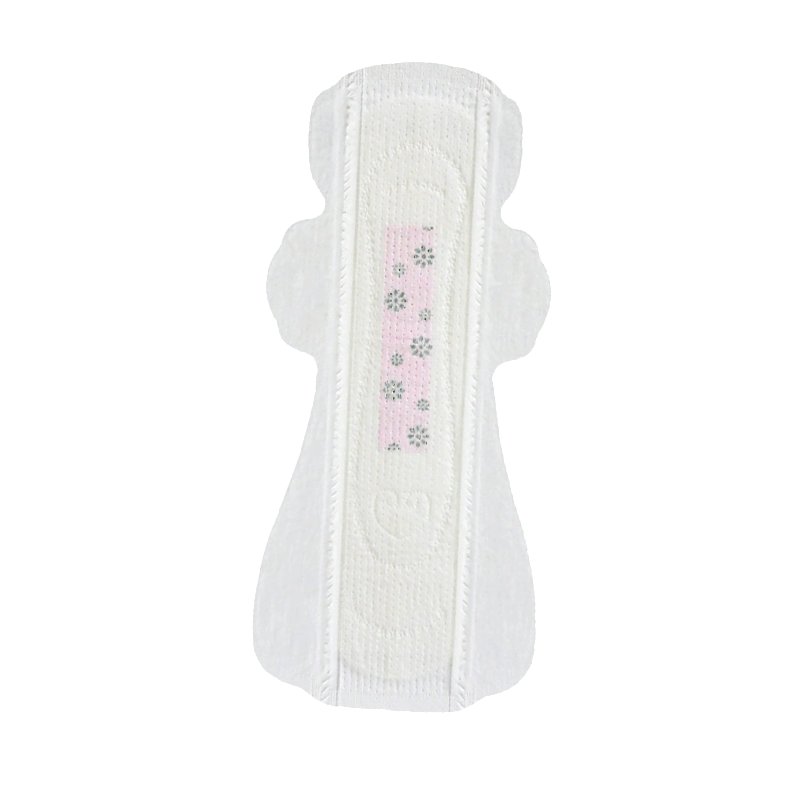
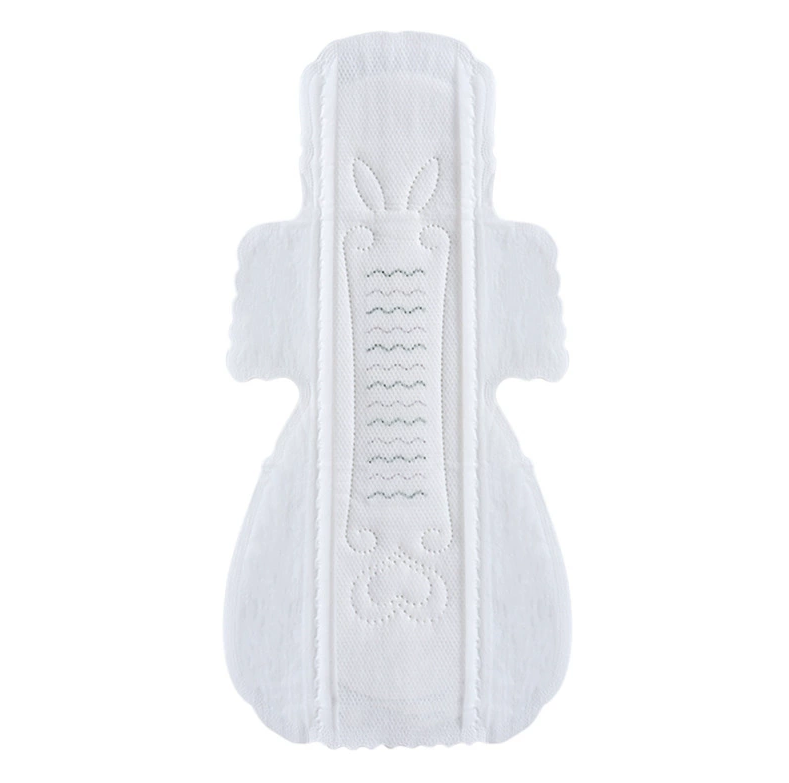
I learned that the process starts with fluff pulp for absorption, then a leak-proof barrier is added. The top layer is usually soft non-woven fabric for comfort. After assembly, napkins are sterilized and individually wrapped to maintain cleanliness. It's fascinating how technology ensures safety for daily use.
From a health perspective, the production must adhere to strict regulations to avoid irritants. Materials are tested for allergens, and the final product is hypoallergenic. This ensures that sanitary napkins are safe, absorbent, and comfortable, supporting women's well-being during menstruation.