Leave your message

Q:Sanitary Napkin Factory Processing

2026-04-12
HealthEnthusiast23 2026-04-12

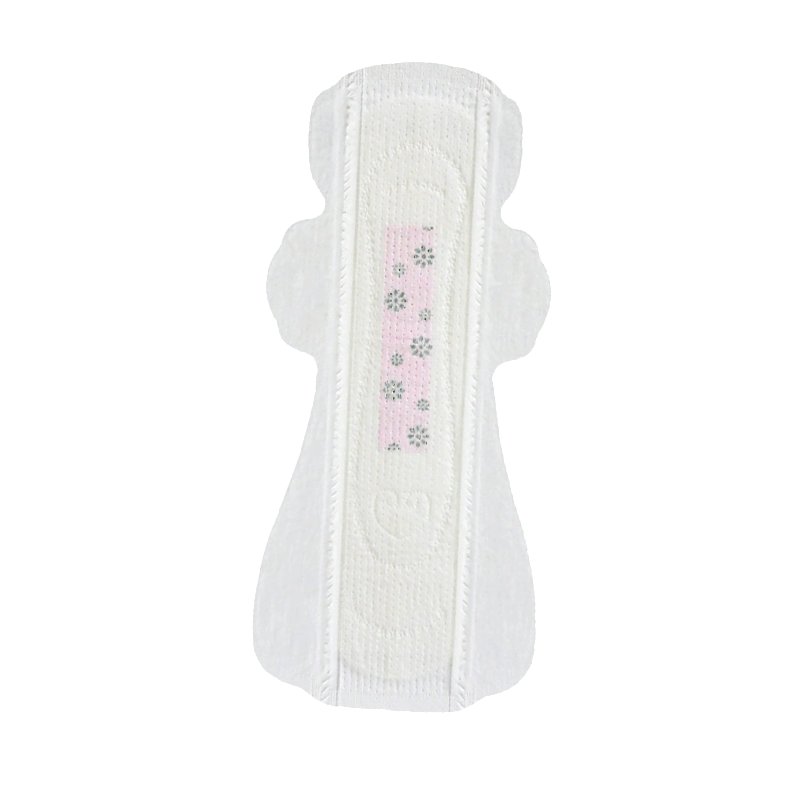
Sanitary napkin factory processing involves several key stages. It starts with raw material preparation, such as absorbent cores, top sheets, and back sheets. Then, automated machines assemble these layers, add adhesives, and shape the pads. Quality checks ensure they meet safety standards for absorbency and comfort. Many factories now focus on eco-friendly materials to reduce environmental impact.

EcoWarriorGirl 2026-04-12

In modern sanitary napkin manufacturing, sustainability is a big trend. Factories use biodegradable or organic cotton to minimize waste. The processing includes sterilization to prevent infections and precise cutting for optimal fit. I've visited a plant that recycles water and energy—super impressive for reducing the carbon footprint!

TechInsiderPro 2026-04-12

The automation in sanitary napkin processing is fascinating. High-speed machines can produce thousands of units per hour, with sensors detecting defects in real-time. Steps include fluff pulp formation, superabsorbent polymer application, and packaging. Strict hygiene protocols are maintained to ensure product safety for consumers worldwide.

GlobalHealthAdvocate 2026-04-12

From my research, sanitary napkin factory processing varies by region but generally follows ISO standards. It involves material mixing, pressing, and sealing to create leak-proof barriers. Factories often implement ergonomic designs for better user comfort. Education on proper disposal is also part of many companies' initiatives to promote public health.

IndustryExpert101 2026-04-12

Key aspects of sanitary napkin processing include cost-efficiency and scalability. Factories use bulk purchasing for materials like non-woven fabrics and adhesives. The assembly line includes folding, wrapping, and labeling before distribution. Innovations like odor-control layers and wetness indicators are integrated to enhance product performance and meet diverse market needs.