Q:Sanitary Napkin Market Size
The global sanitary napkin market is a massive and continuously growing sector within the feminine hygiene industry. Valued at over USD 20 billion in recent years, it's driven by increasing awareness, disposable income, and a slow but steady reduction in the stigma surrounding menstruation. Key growth regions include Asia-Pacific, particularly India and China, where rising urbanization and education are expanding the consumer base. However, market maturity in North America and Europe leads to growth primarily through product innovation (like organic or subscription-based models) rather than new user acquisition.
Beyond just size, the market is undergoing a significant sustainability shift. While traditional disposable pads dominate volume, their environmental impact is pushing growth in alternative segments. The market size now increasingly includes substantial value from reusable cloth pads, period underwear, and biodegradable disposable options. This 'green' segment, though a smaller portion of the overall revenue pie, is the fastest-growing, indicating that future market expansion will be closely tied to eco-conscious product development and consumer demand for reduced plastic waste.
Market size isn't just about revenue; it's a proxy for menstrual equity and access. The vast size highlights both progress and disparity. In developed markets, it reflects a high penetration of commercial products. In many low-income regions, the official market size remains small because a significant portion of the population still relies on non-commercial, often unsafe, materials. Initiatives by governments and NGOs to provide free or subsidized pads are actively working to convert this 'unmet need' into formal market growth, making it a key factor in long-term projections.
From a pure numbers perspective, the market is segmented into disposable pads, panty liners, and overnight pads, with disposables holding the largest share. Distribution channels are crucial: supermarkets/hypermarkets lead, but e-commerce is the rising star, especially post-pandemic. Subscription services and direct-to-consumer brands are carving out significant niches, influencing pricing and brand loyalty. Compound Annual Growth Rate (CAGR) estimates vary by report but generally sit between 4-6% globally, suggesting steady, reliable expansion for the foreseeable future.
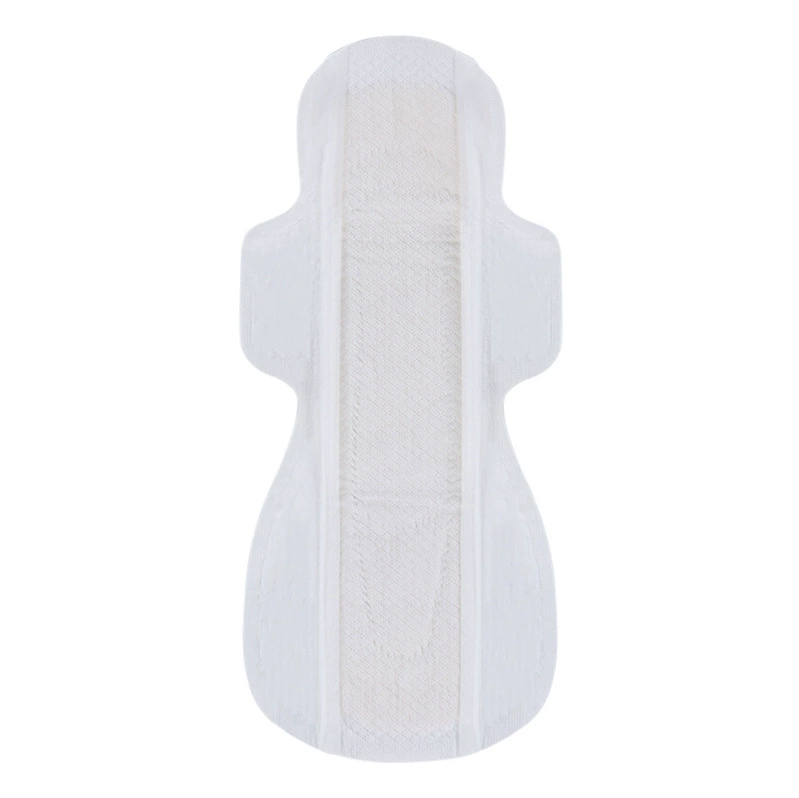
The driving force behind these numbers is changing consumer preferences. Today's market size is fueled by demand for more than just basic absorption. Consumers seek comfort (ultra-thin, wings, varied sizes), skin-friendliness (cotton tops, fragrance-free), and specific functionality (for sports, heavy flow, or sensitive skin). Social media and open conversations about periods have empowered consumers to demand better, pushing brands to innovate constantly. This product diversification and premiumization are key factors adding value and expanding the market's overall worth.