Q:Sanitary Napkin Manufacturing
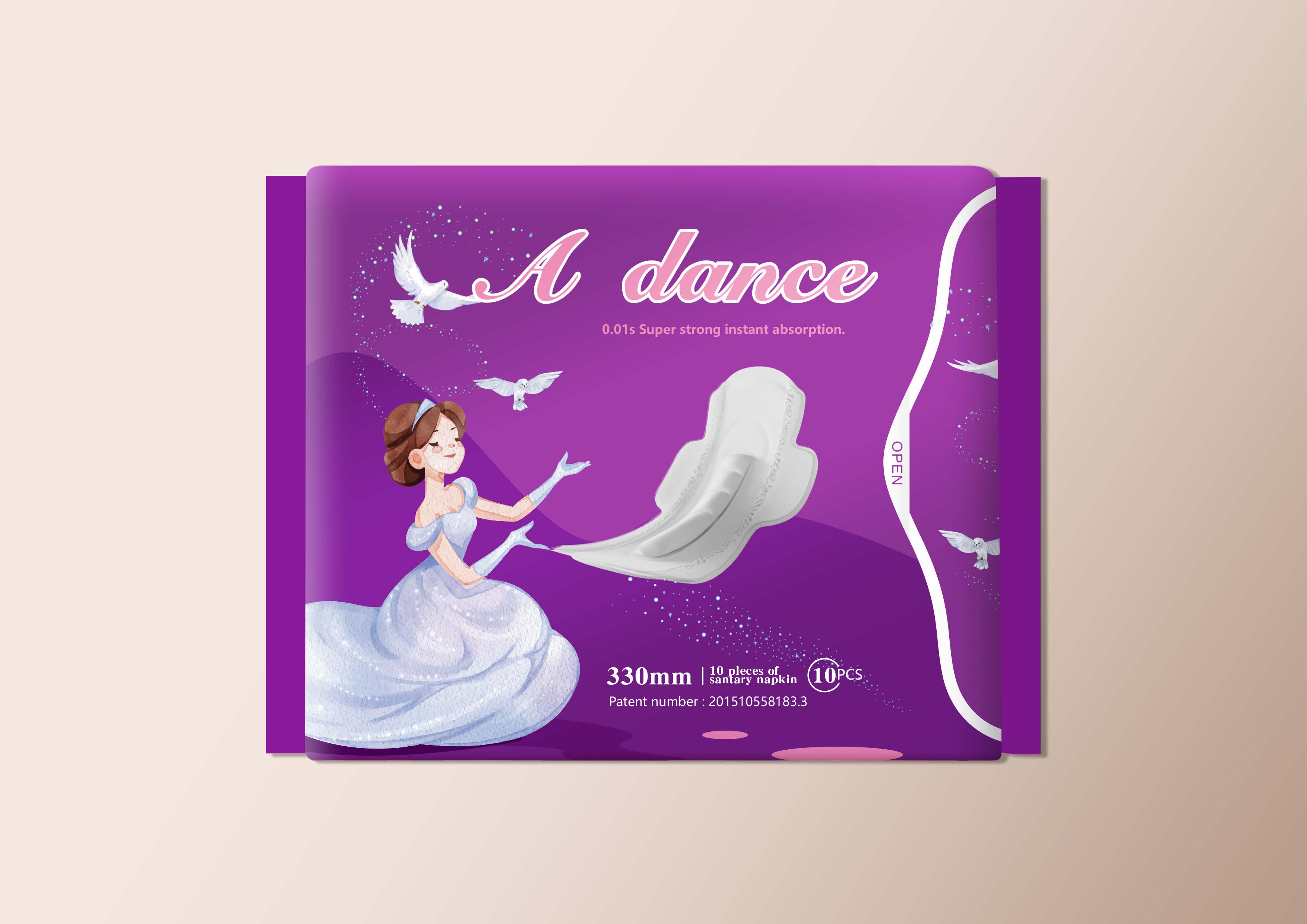
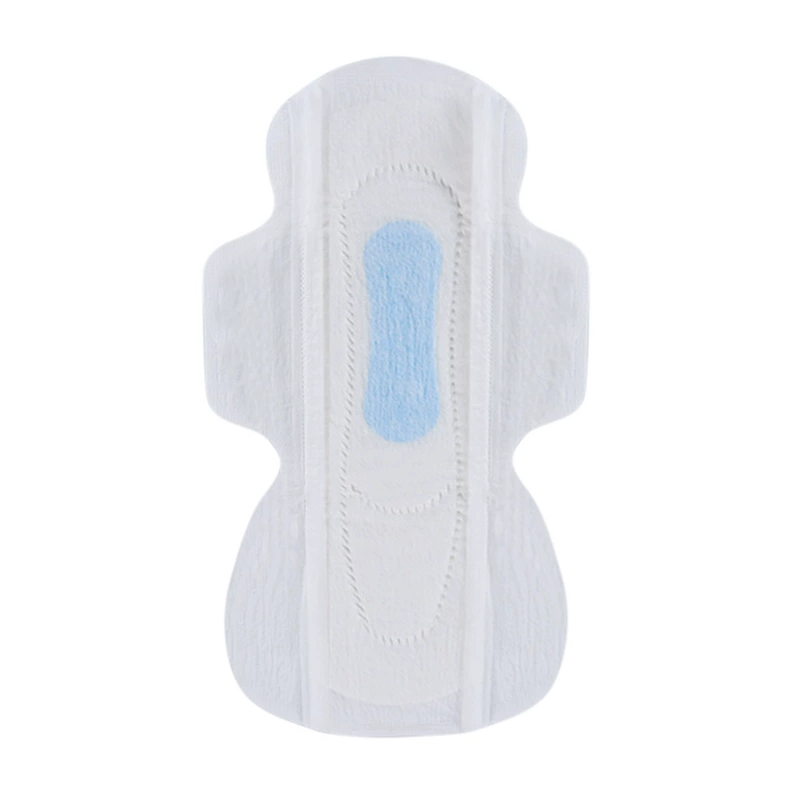
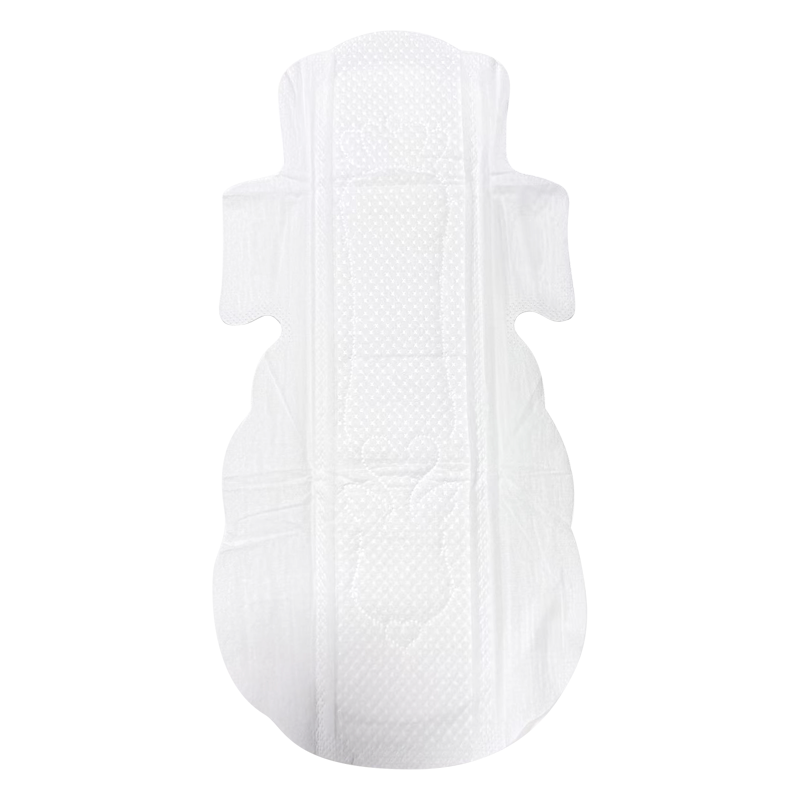
Sanitary napkin manufacturing involves several key steps, starting with raw material selection like absorbent cores, top sheets, and back sheets. The process includes cutting, shaping, and assembling layers using automated machinery to ensure hygiene and efficiency. Quality control is crucial to meet safety standards for women's health.
Many manufacturers are now focusing on eco-friendly options, using biodegradable materials and reducing plastic in sanitary napkins. This shift not only benefits the environment but also appeals to conscious consumers looking for sustainable menstrual products.
From my experience, the production line must maintain strict hygiene protocols to prevent contamination. Advanced technologies like ultrasonic bonding are used to create leak-proof designs, enhancing comfort and reliability for users worldwide.
It's important to note that proper disposal methods should be promoted alongside manufacturing. Educating users on eco-friendly disposal can reduce environmental impact, making the entire lifecycle of sanitary napkins more responsible.
Innovations in sanitary napkin processing include smart sensors for moisture detection and customizable absorbency levels. These advancements are paving the way for more personalized and effective menstrual care solutions in the market.